PAPITO and pets

A pet is family

Before you adopt, look at the time, money and years it asks for. If you already have a pet and a baby is coming, prepare early. And at every age, your kids can help care for it.

Storybook illustration of a dad and his two kids walking a leashed shelter dog in a Miami park.

Safety first: children are the most common victims of dog bites, usually by a dog they know, at home. Never leave a baby or young child alone with a dog. The CDC does not recommend reptiles or amphibians for homes with kids under 5.

Quick quiz: which pet fits your family?

Six questions, one minute. A starting point, not a verdict.

A general direction to explore, not a recommendation. PAPITO does not endorse or recommend any particular pet, breed, breeder or shelter, and this is not professional advice. Results are based on general tendencies; every animal is different. Before you adopt, talk with a veterinarian and the shelter about the specific animal, and decide together as a family.
Where do you live?
How old is your youngest child?
How much time can a grown-up give every day?
How active is your family?
Anyone with pet allergies?
Brushing and grooming?

The honest checklist

0 of 8. Sort out the rest before you adopt: the ASPCA found housing changes, job changes and costs are the top reasons families give up pets.

What will it cost?

First year: $3,221 · Each year after: $1,391 · Typical life: 10 to 13 years

About $18,522

ASPCA averages (2021 update); today's costs are likely higher. Doesn't include emergencies: plan for at least one big vet bill, or consider pet insurance. ASPCA ↗

How it grows: Labrador retrieverIllustration of the same animal as a newborn, at 8 weeks and at 5 months.
Newborn (2 weeks)8 weeks5 months

Growth stages, not to scale. See the ruler below for real adult size.

6"
1 ft
18"
2 ft
30"
3 ft
42"
4 ft
Illustration of the adult animal standing in side profile, to scale with the ruler.

Adult height at the shoulder: 21½–24½ in (1 ft 9½ in – 2 ft ½ in)

Males 22½–24½ in, females 21½–23½ in (AKC breed standard).

How it grows: BeagleIllustration of the same animal as a newborn, at 8 weeks and at 5 months.
Newborn (2 weeks)8 weeks5 months

Growth stages, not to scale. See the ruler below for real adult size.

6"
1 ft
18"
2 ft
30"
3 ft
42"
4 ft
Illustration of the adult animal standing in side profile, to scale with the ruler.

Adult height at the shoulder: 13–15 in (1 ft 1 in – 1 ft 3 in)

Two sizes: the 13-inch variety (13 in and under) and the 15-inch variety (over 13, up to 15 in). Shaded: the 15-inch variety (AKC).

How it grows: Golden retrieverIllustration of the same animal as a newborn, at 8 weeks and at 5 months.
Newborn (2 weeks)8 weeks5 months

Growth stages, not to scale. See the ruler below for real adult size.

6"
1 ft
18"
2 ft
30"
3 ft
42"
4 ft
Illustration of the adult animal standing in side profile, to scale with the ruler.

Adult height at the shoulder: 21½–24 in (1 ft 9½ in – 2 ft)

Males 23–24 in, females 21½–22½ in (AKC standard, via the Golden Retriever Club of America).

How it grows: Cavalier King Charles spanielIllustration of the same animal as a newborn, at 8 weeks and at 5 months.
Newborn (2 weeks)8 weeks5 months

Growth stages, not to scale. See the ruler below for real adult size.

6"
1 ft
18"
2 ft
30"
3 ft
42"
4 ft
Illustration of the adult animal standing in side profile, to scale with the ruler.

Adult height at the shoulder: 12–13 in (1 ft – 1 ft 1 in)

12–13 in at the shoulder, 13–18 lb (AKC breed standard).

How it grows: French bulldogIllustration of the same animal as a newborn, at 8 weeks and at 5 months.
Newborn (2 weeks)8 weeks5 months

Growth stages, not to scale. See the ruler below for real adult size.

6"
1 ft
18"
2 ft
30"
3 ft
42"
4 ft
Illustration of the adult animal standing in side profile, to scale with the ruler.

Adult height at the shoulder: 11–13 in (11 in – 1 ft 1 in)

About 11–13 in at the shoulder (AKC breed profile). The AKC standard sets weight, not height: no more than 28 lb.

How it grows: Miniature poodleIllustration of the same animal as a newborn, at 8 weeks and at 5 months.
Newborn (2 weeks)8 weeks5 months

Growth stages, not to scale. See the ruler below for real adult size.

6"
1 ft
18"
2 ft
30"
3 ft
42"
4 ft
Illustration of the adult animal standing in side profile, to scale with the ruler.

Adult height at the shoulder: 10–15 in (10 in – 1 ft 3 in)

Over 10 in and up to 15 in at the shoulder (AKC breed standard). Toy poodles are 10 in or under; standards are over 15 in.

How it grows: Standard poodleIllustration of the same animal as a newborn, at 8 weeks and at 5 months.
Newborn (2 weeks)8 weeks5 months

Growth stages, not to scale. See the ruler below for real adult size.

6"
1 ft
18"
2 ft
30"
3 ft
42"
4 ft
Illustration of the adult animal standing in side profile, to scale with the ruler.

Adult height at the shoulder: 22–27 in (1 ft 10 in – 2 ft 3 in)

The AKC standard sets only a minimum: over 15 in at the shoulder, with no maximum. Shaded: the typical adult range of about 22–27 in reported by veterinarian-reviewed breed guides.
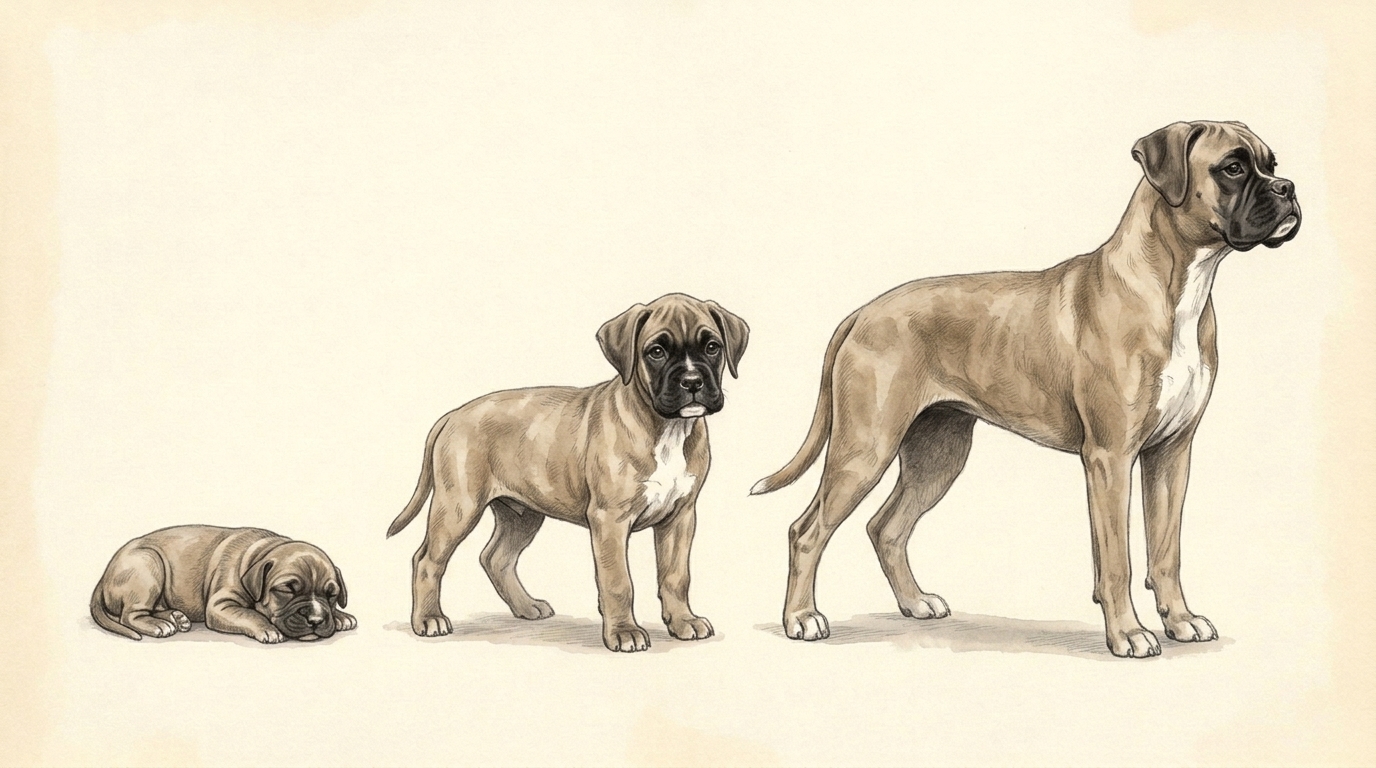
How it grows: BoxerIllustration of the same animal as a newborn, at 8 weeks and at 5 months.
Newborn (2 weeks)8 weeks5 months

Growth stages, not to scale. See the ruler below for real adult size.
6"
1 ft
18"
2 ft
30"
3 ft
42"
4 ft
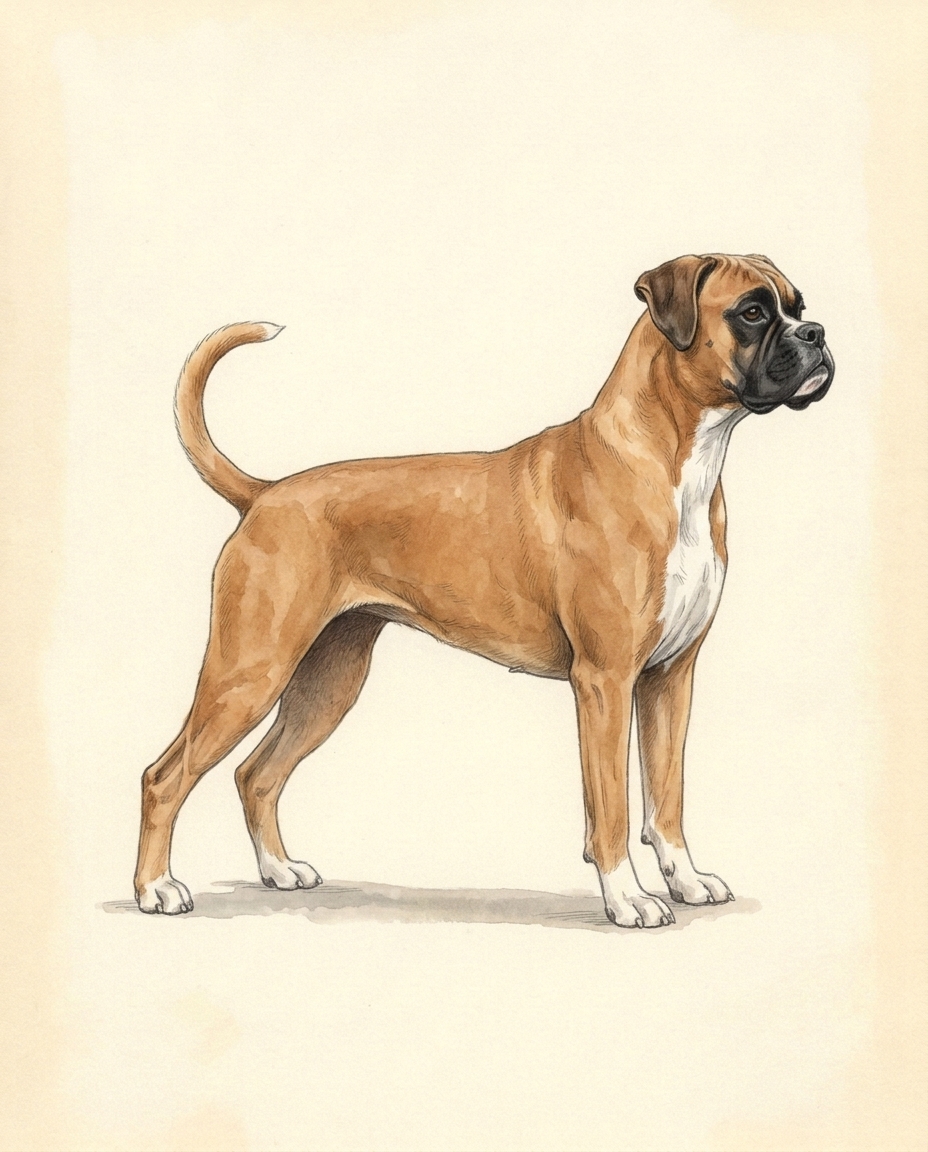
Illustration of the adult animal standing in side profile, to scale with the ruler.

Adult height at the shoulder: 21½–25 in (1 ft 9½ in – 2 ft 1 in)

Males 23–25 in, females 21½–23½ in (AKC breed standard).
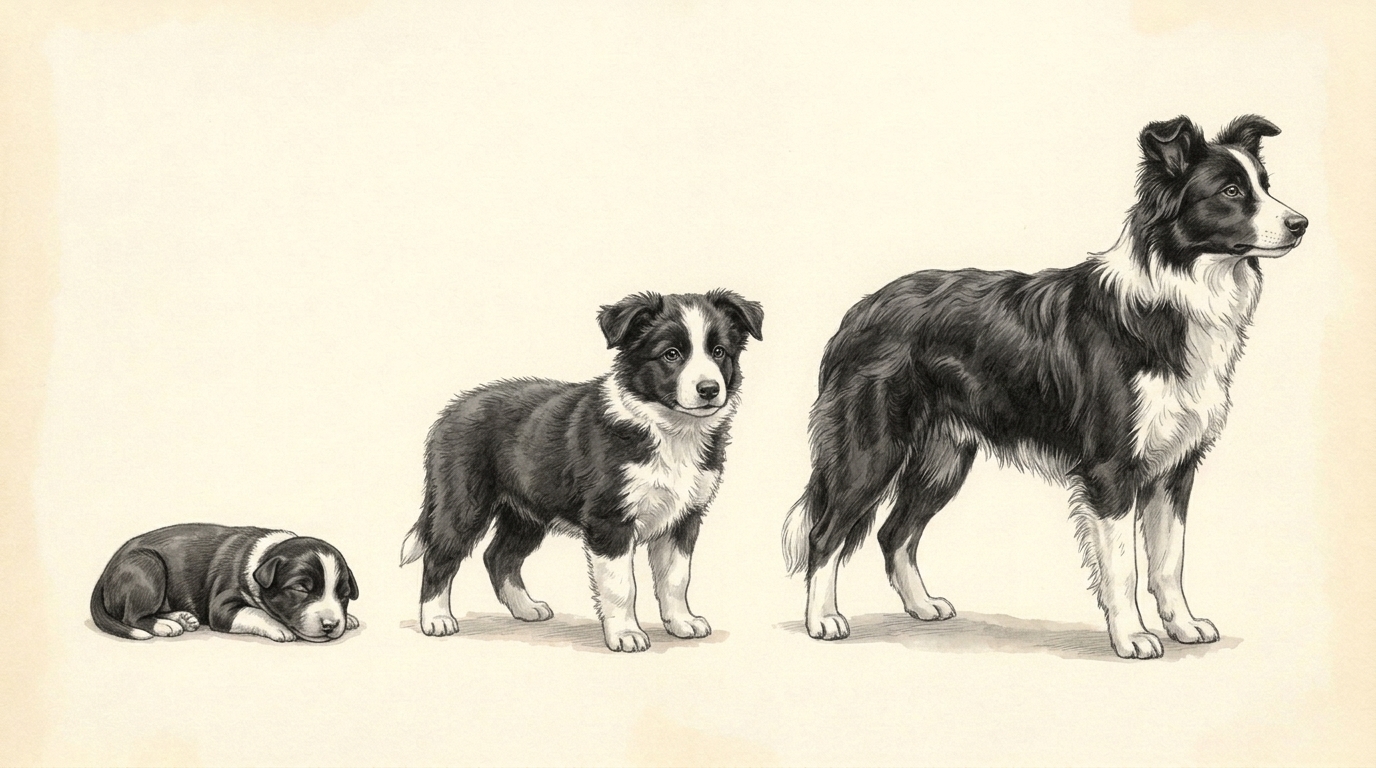
How it grows: Border collieIllustration of the same animal as a newborn, at 8 weeks and at 5 months.
Newborn (2 weeks)8 weeks5 months

Growth stages, not to scale. See the ruler below for real adult size.
6"
1 ft
18"
2 ft
30"
3 ft
42"
4 ft
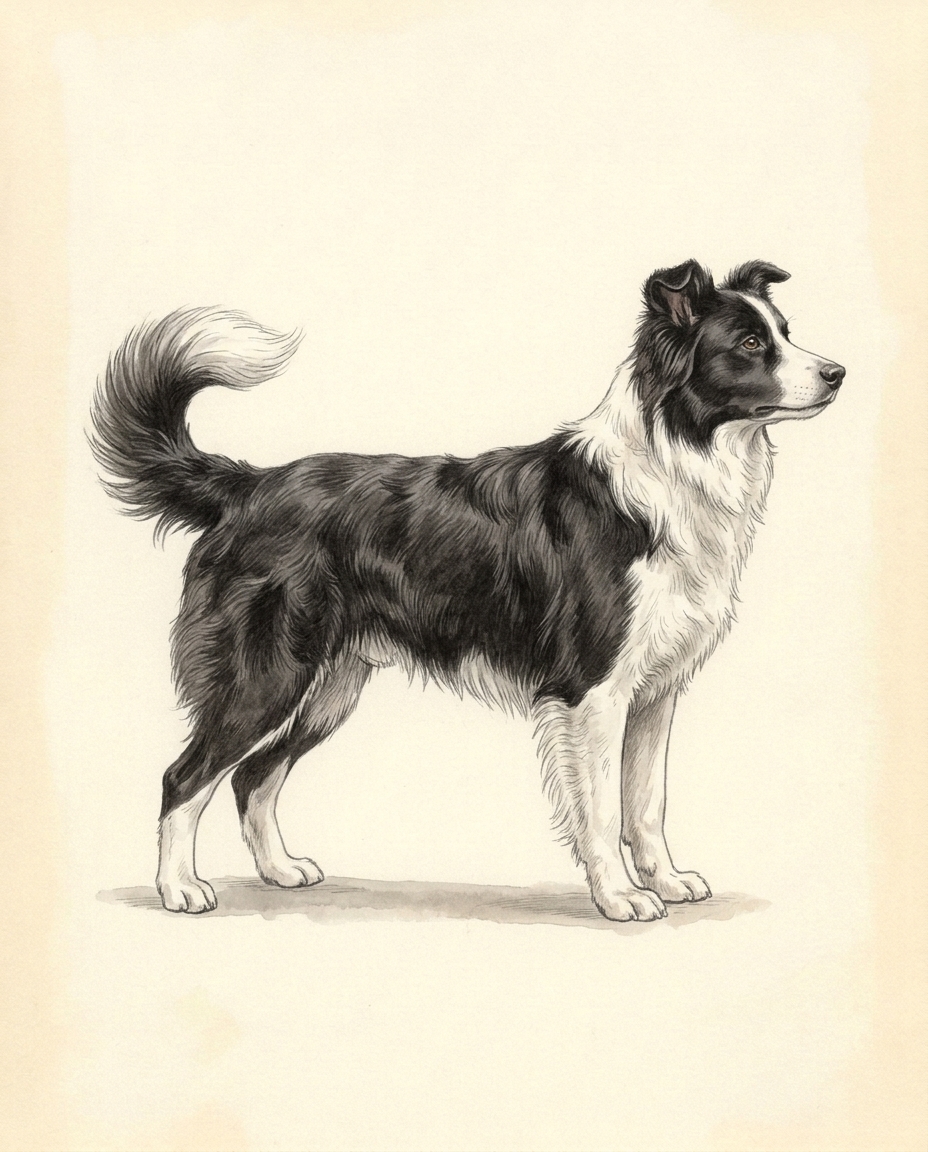
Illustration of the adult animal standing in side profile, to scale with the ruler.

Adult height at the shoulder: 18–22 in (1 ft 6 in – 1 ft 10 in)

Males 19–22 in, females 18–21 in (AKC breed standard).
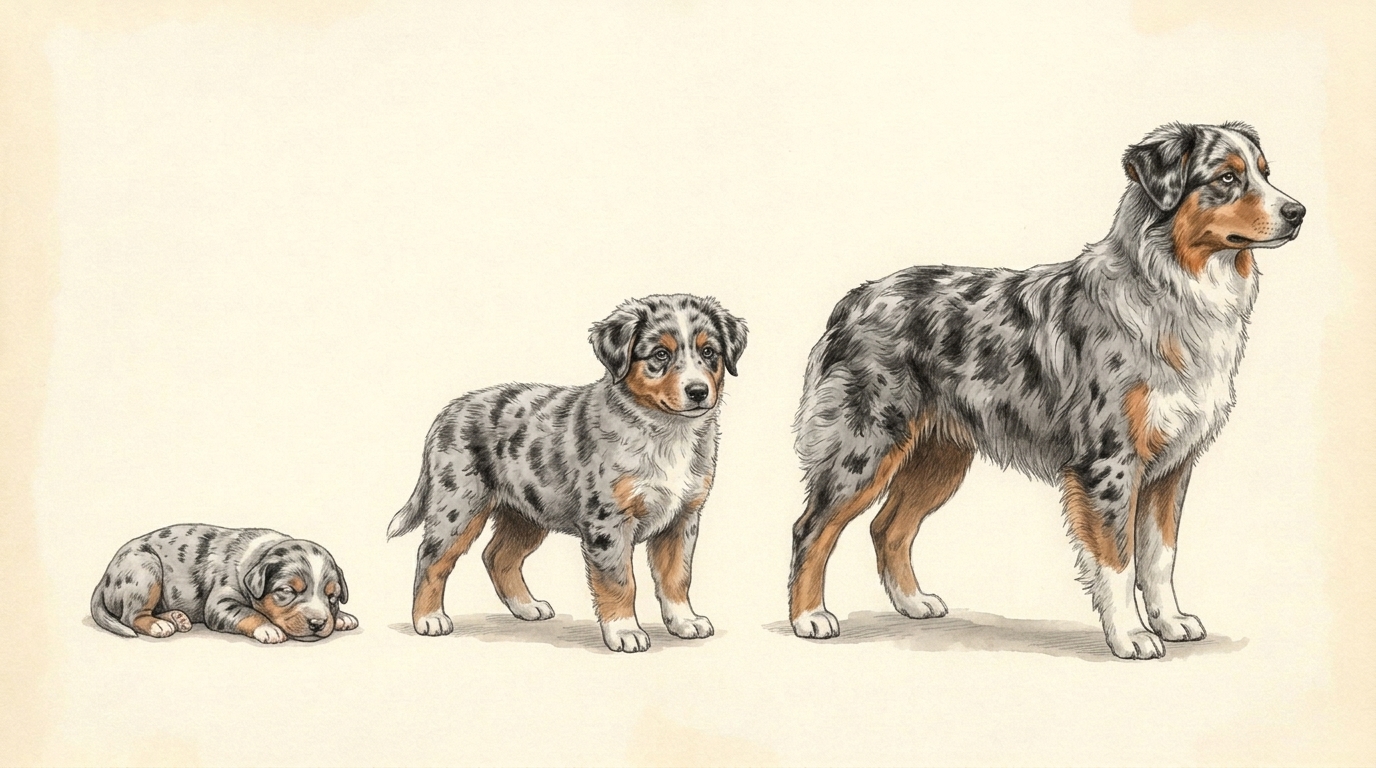
How it grows: Australian shepherdIllustration of the same animal as a newborn, at 8 weeks and at 5 months.
Newborn (2 weeks)8 weeks5 months

Growth stages, not to scale. See the ruler below for real adult size.
6"
1 ft
18"
2 ft
30"
3 ft
42"
4 ft
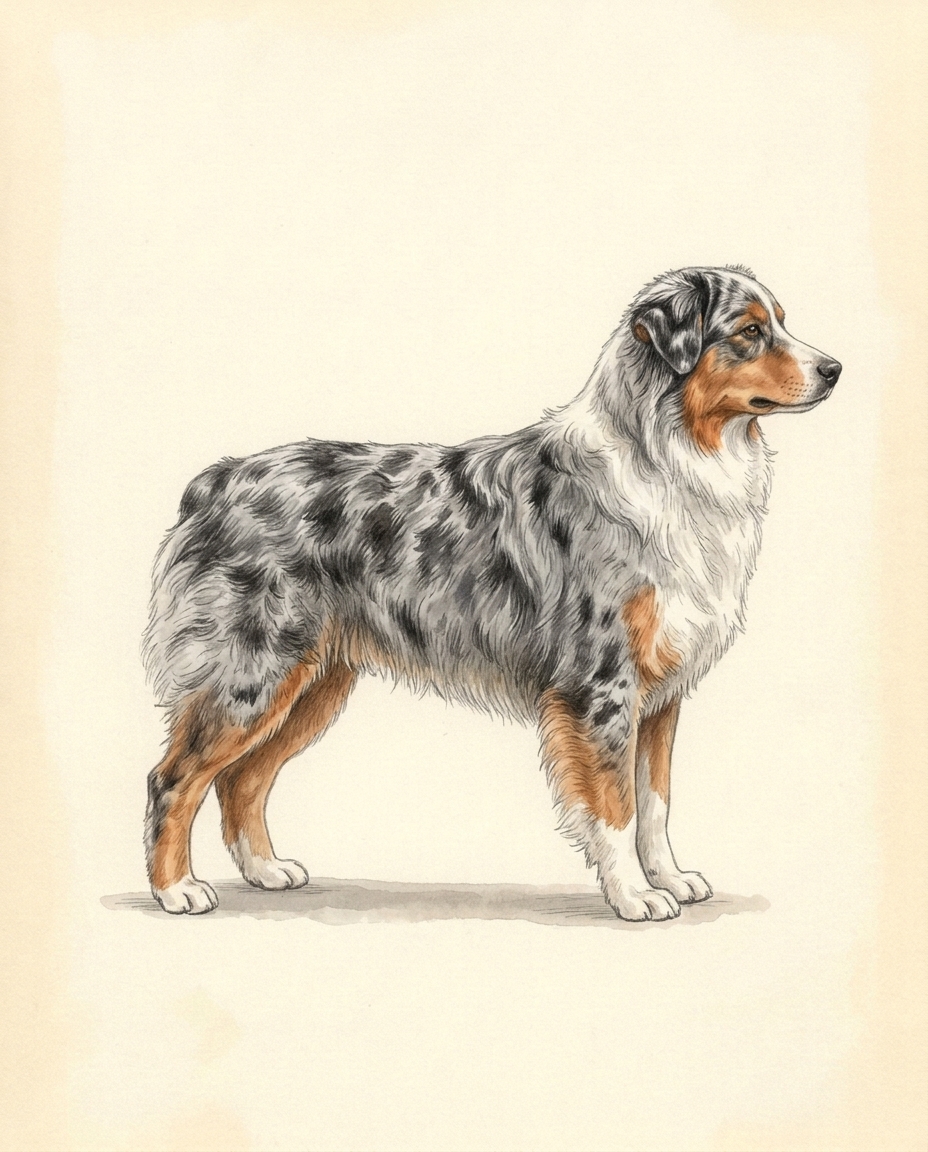
Illustration of the adult animal standing in side profile, to scale with the ruler.

Adult height at the shoulder: 18–23 in (1 ft 6 in – 1 ft 11 in)

Males 20–23 in, females 18–21 in (AKC breed standard).
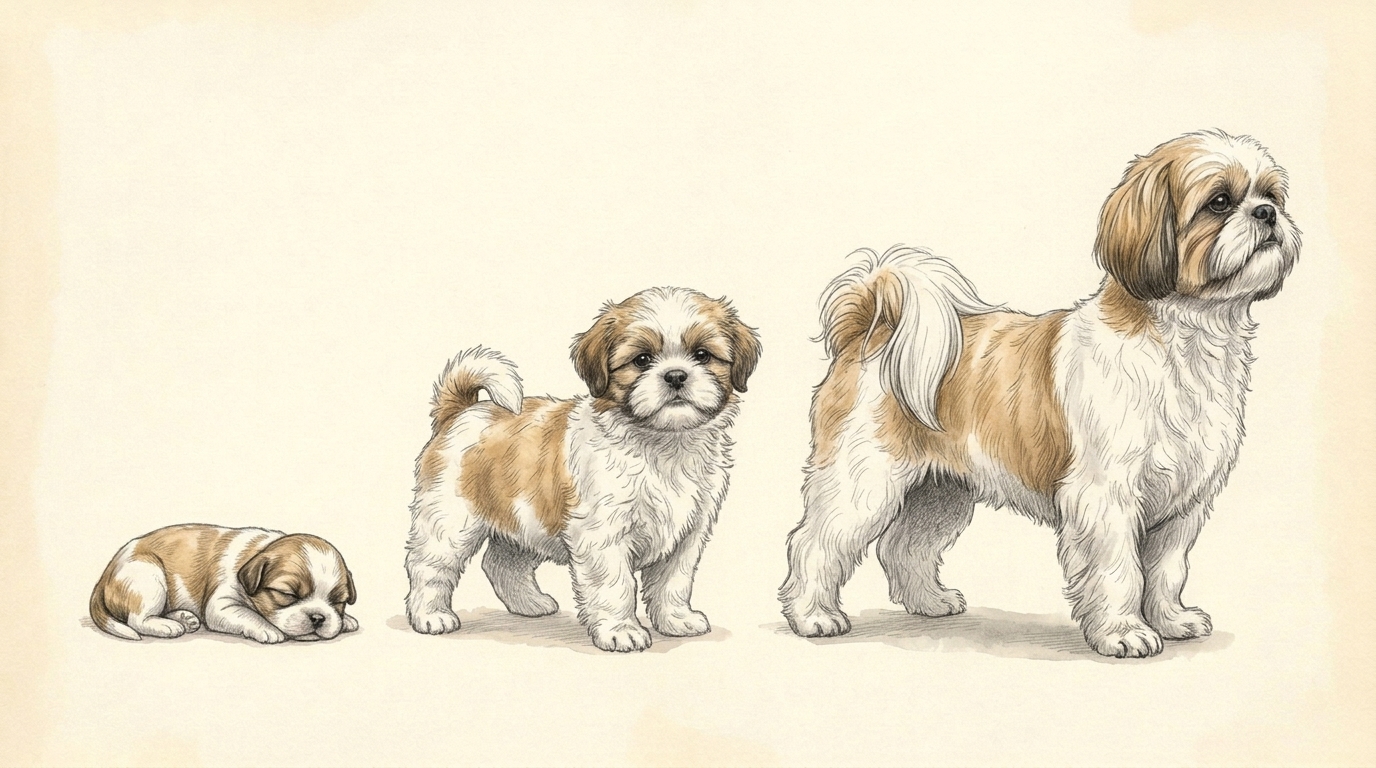
How it grows: Shih tzuIllustration of the same animal as a newborn, at 8 weeks and at 5 months.
Newborn (2 weeks)8 weeks5 months

Growth stages, not to scale. See the ruler below for real adult size.
6"
1 ft
18"
2 ft
30"
3 ft
42"
4 ft
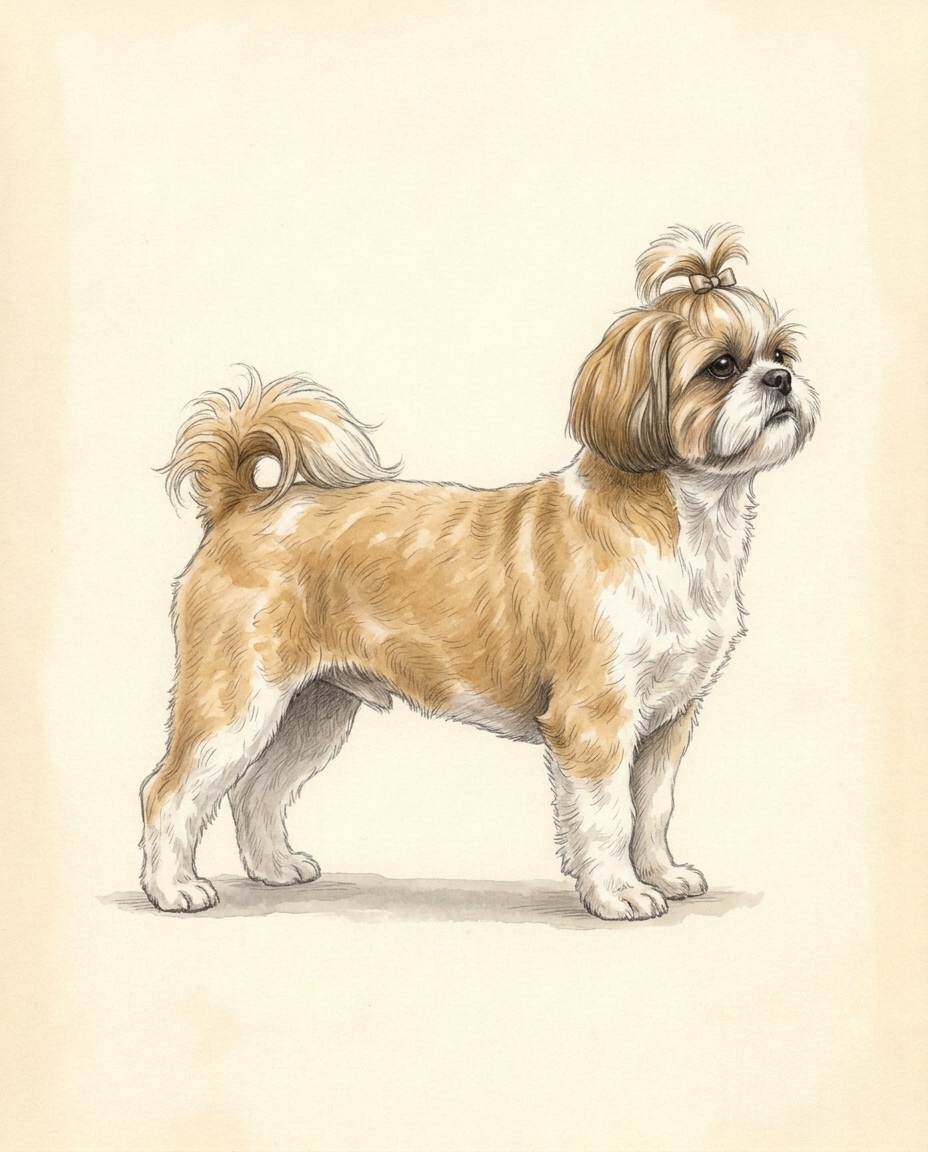
Illustration of the adult animal standing in side profile, to scale with the ruler.

Adult height at the shoulder: 9–10½ in (9 in – 10½ in)

Ideally 9–10½ in at the shoulder (AKC breed standard).
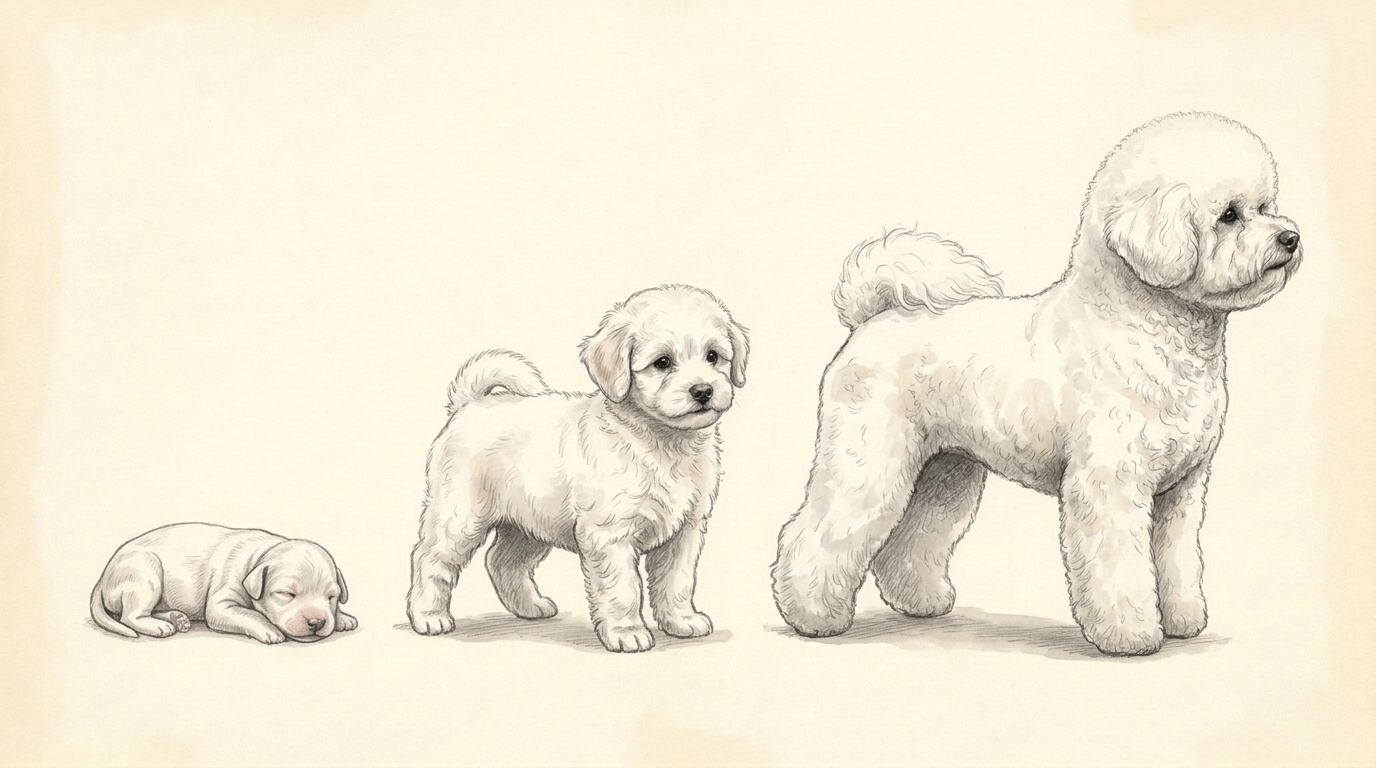
How it grows: Bichon friseIllustration of the same animal as a newborn, at 8 weeks and at 5 months.
Newborn (2 weeks)8 weeks5 months

Growth stages, not to scale. See the ruler below for real adult size.
6"
1 ft
18"
2 ft
30"
3 ft
42"
4 ft
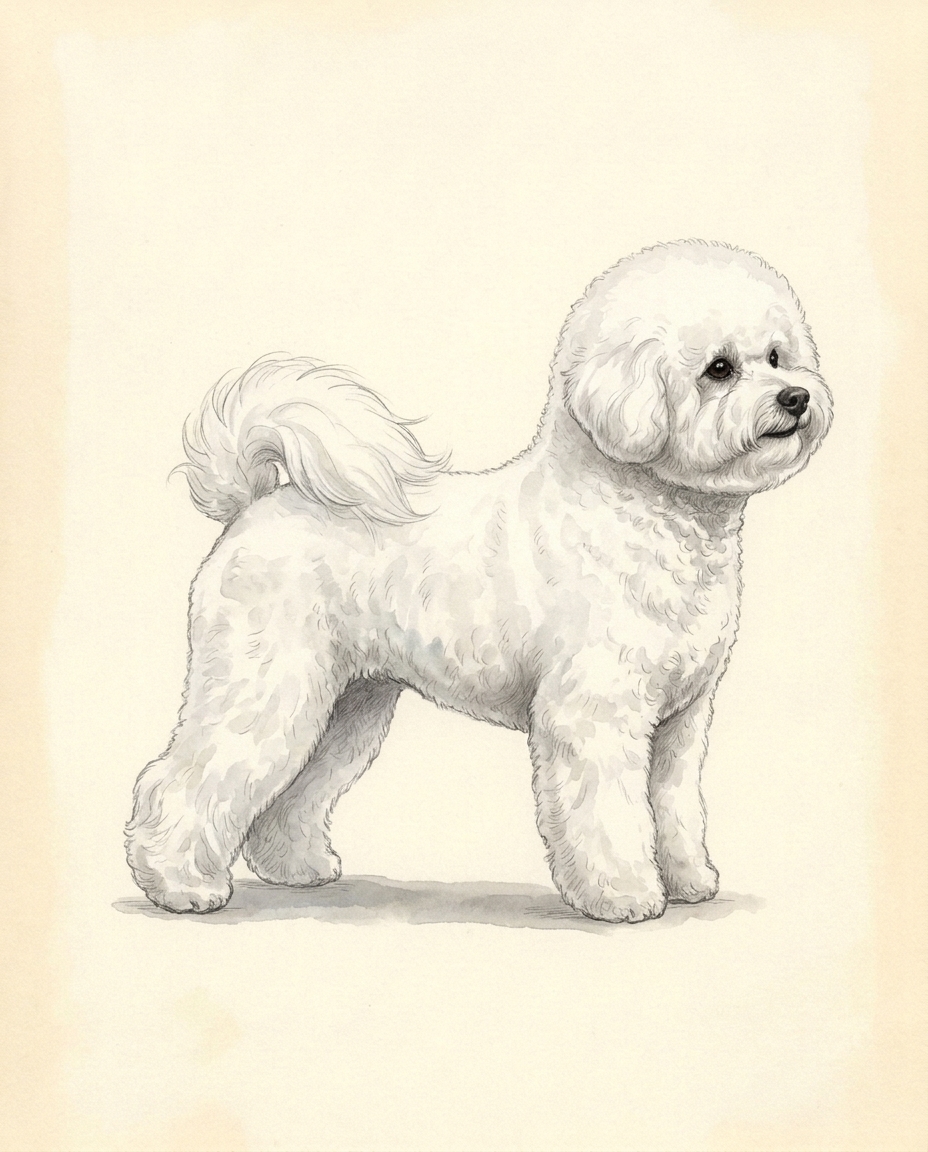
Illustration of the adult animal standing in side profile, to scale with the ruler.

Adult height at the shoulder: 9½–11½ in (9½ in – 11½ in)

9½–11½ in at the shoulder (AKC breed standard).
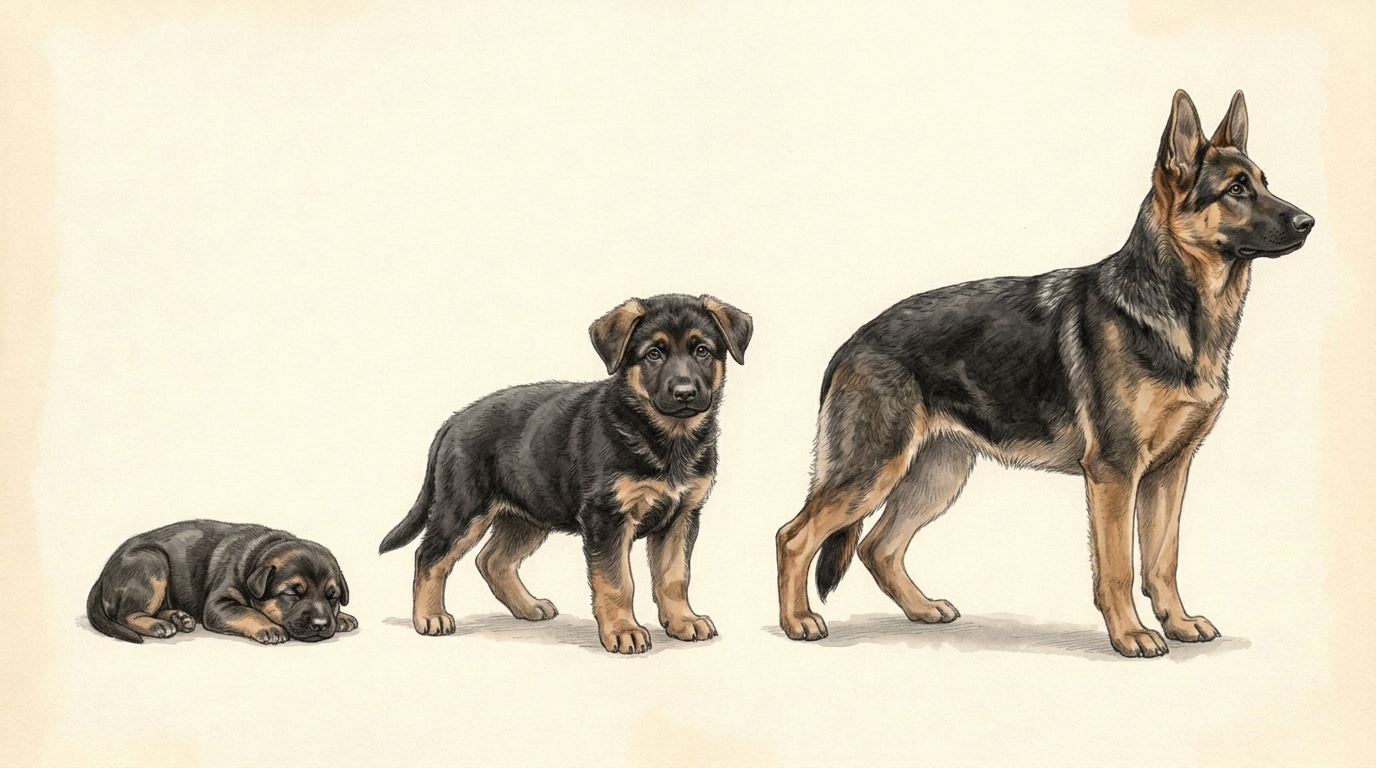
How it grows: German shepherdIllustration of the same animal as a newborn, at 8 weeks and at 5 months.
Newborn (2 weeks)8 weeks5 months

Growth stages, not to scale. See the ruler below for real adult size.
6"
1 ft
18"
2 ft
30"
3 ft
42"
4 ft
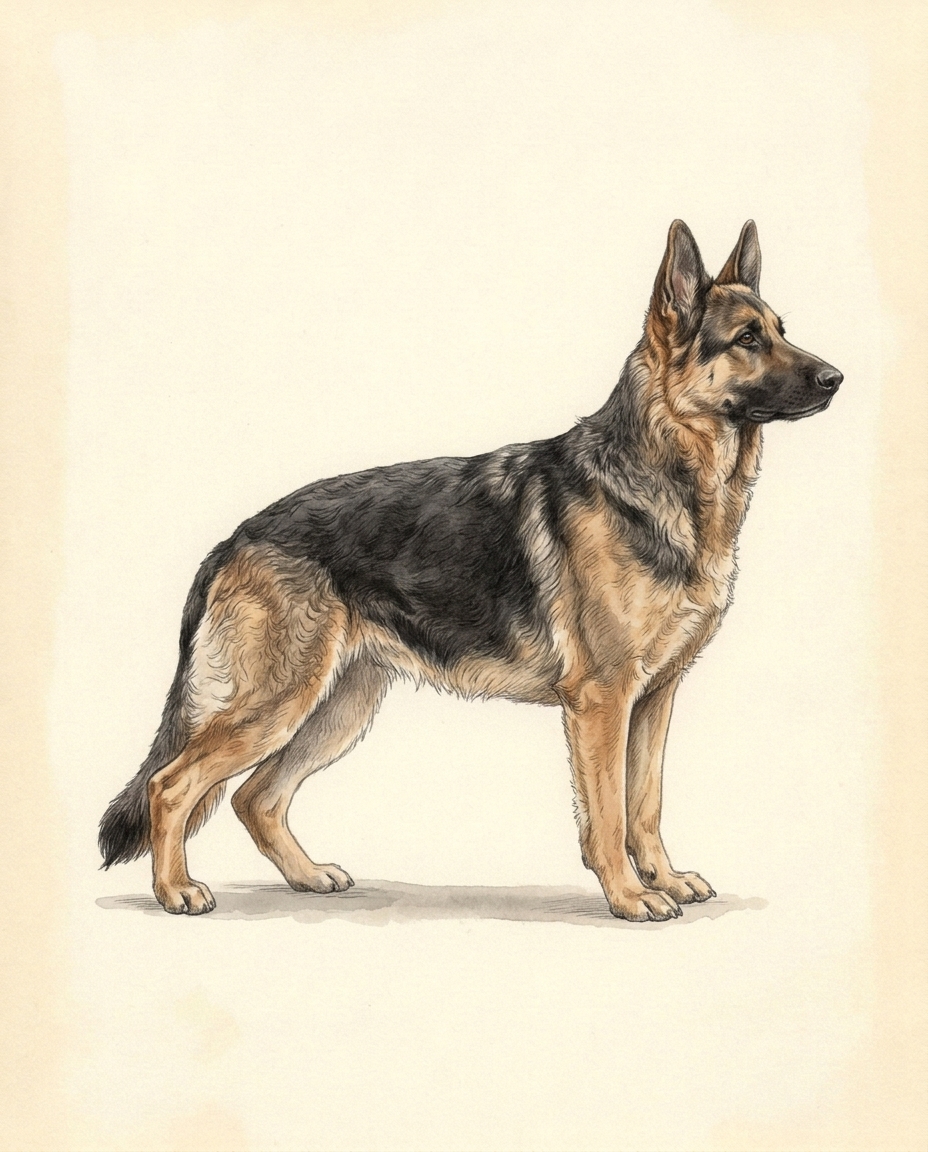
Illustration of the adult animal standing in side profile, to scale with the ruler.

Adult height at the shoulder: 22–26 in (1 ft 10 in – 2 ft 2 in)

Males 24–26 in, females 22–24 in (AKC breed standard).
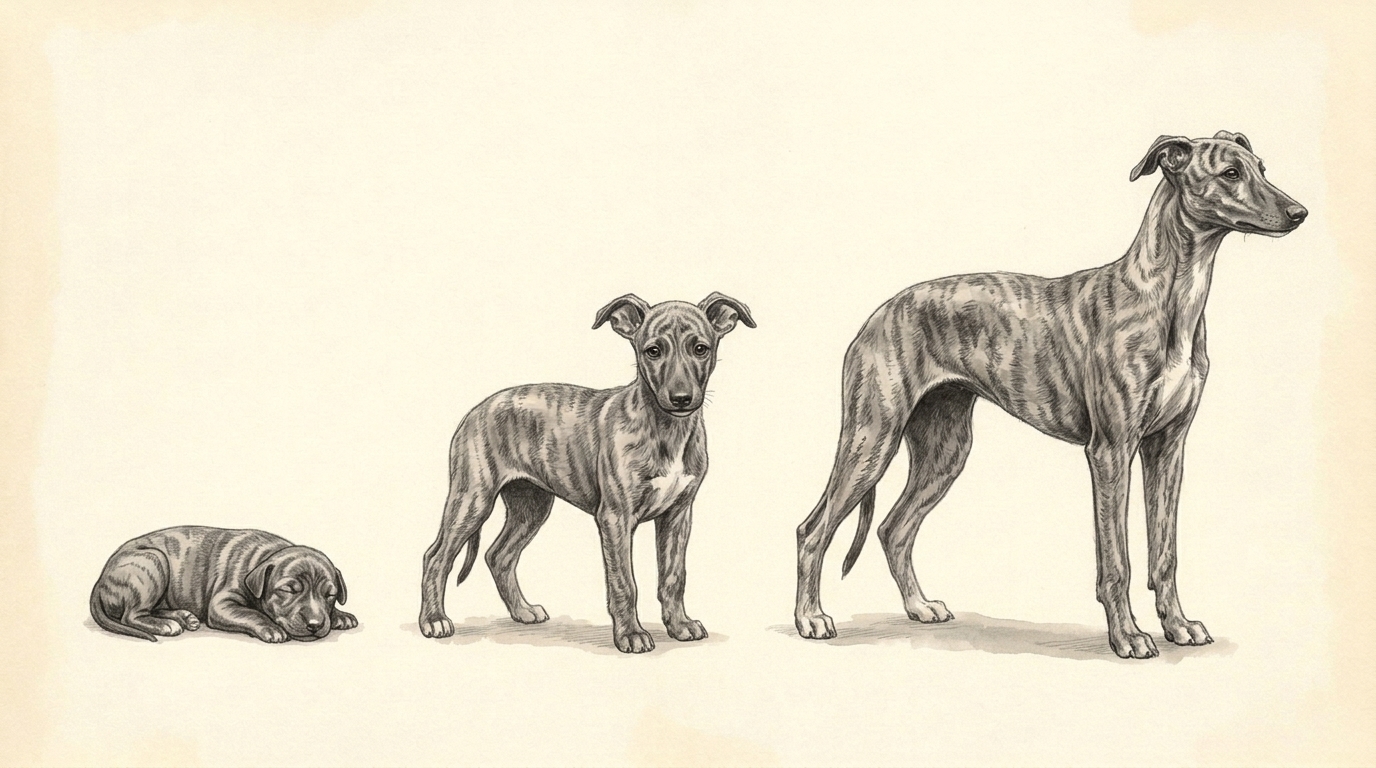
How it grows: Retired racing greyhoundIllustration of the same animal as a newborn, at 8 weeks and at 5 months.
Newborn (2 weeks)8 weeks5 months

Growth stages, not to scale. See the ruler below for real adult size.
6"
1 ft
18"
2 ft
30"
3 ft
42"
4 ft
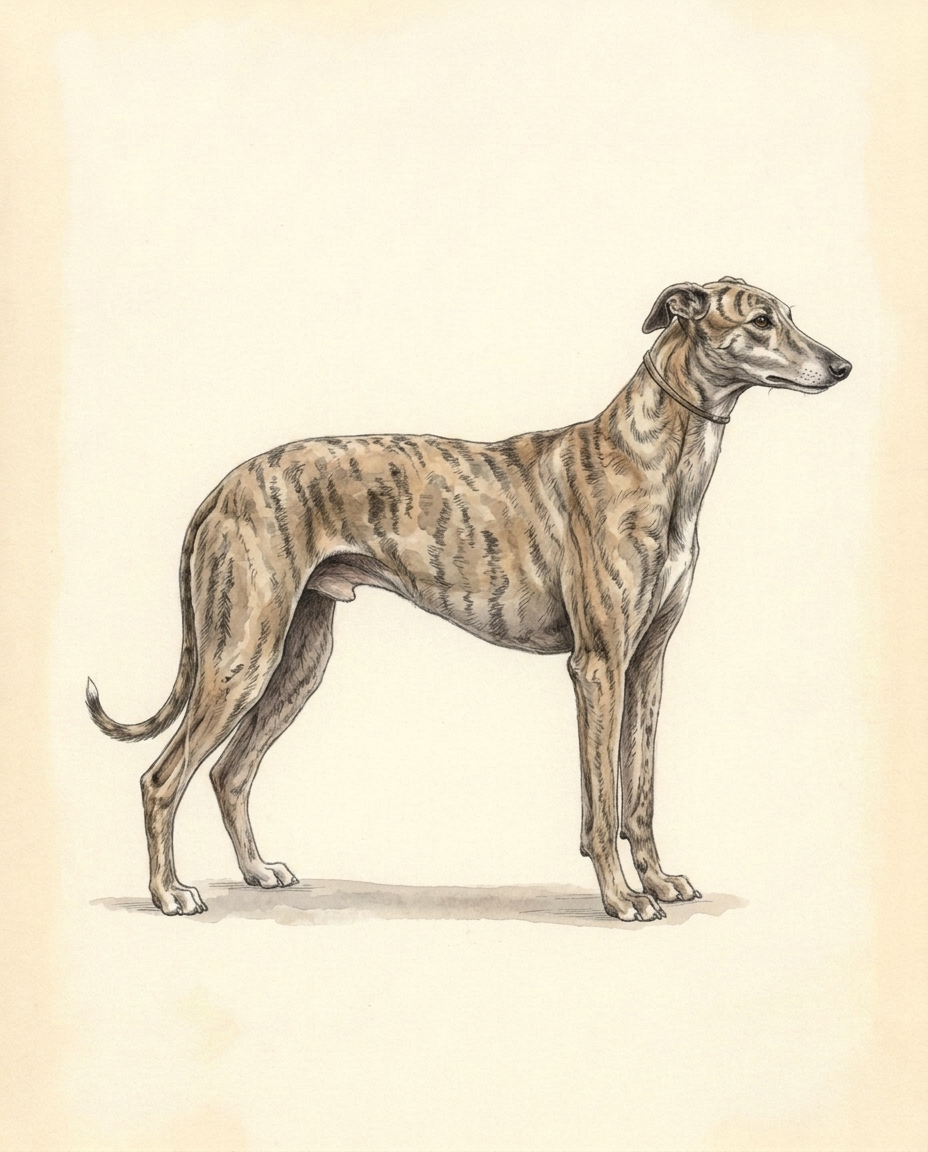
Illustration of the adult animal standing in side profile, to scale with the ruler.

Adult height at the shoulder: 27–30 in (2 ft 3 in – 2 ft 6 in)

AKC standard: males 28–30 in, females 27–28 in. Retired racing greyhounds come from racing lines and individuals vary.
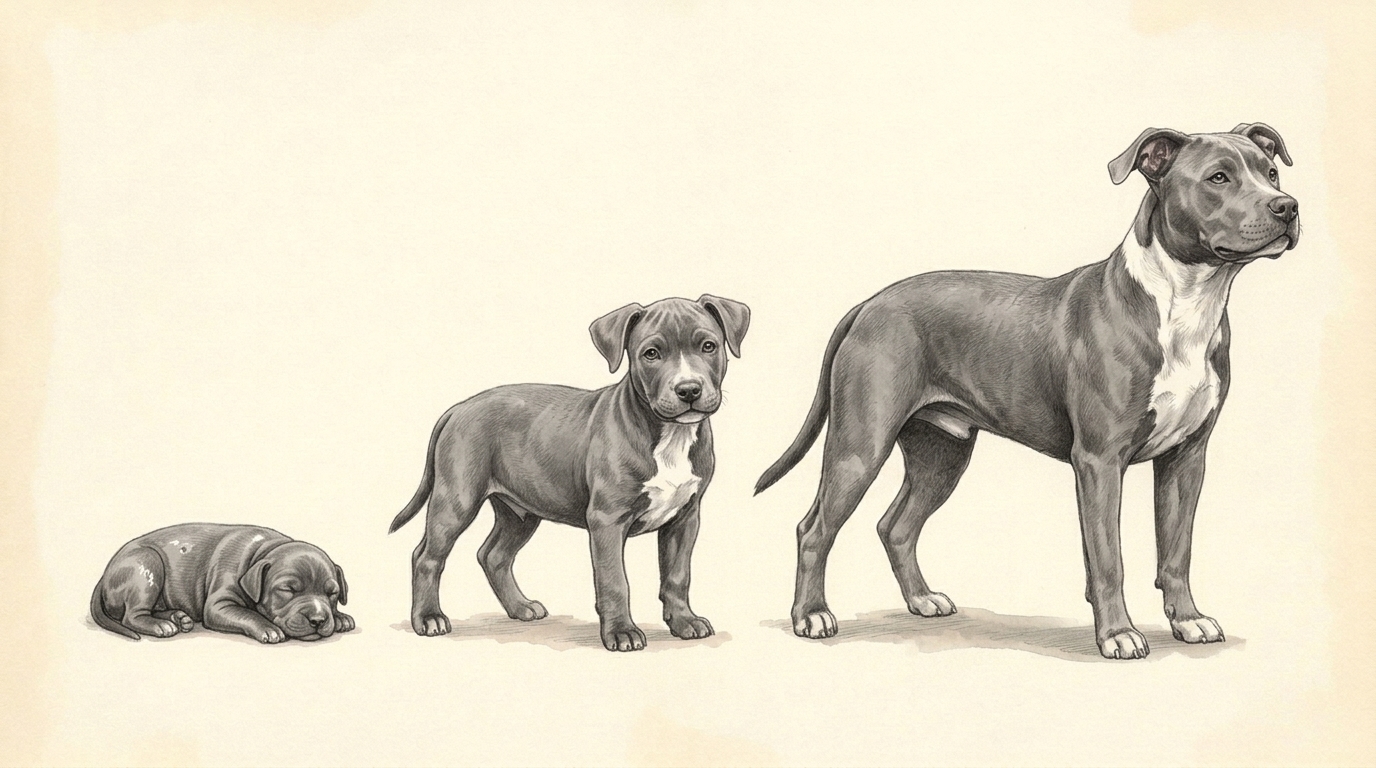
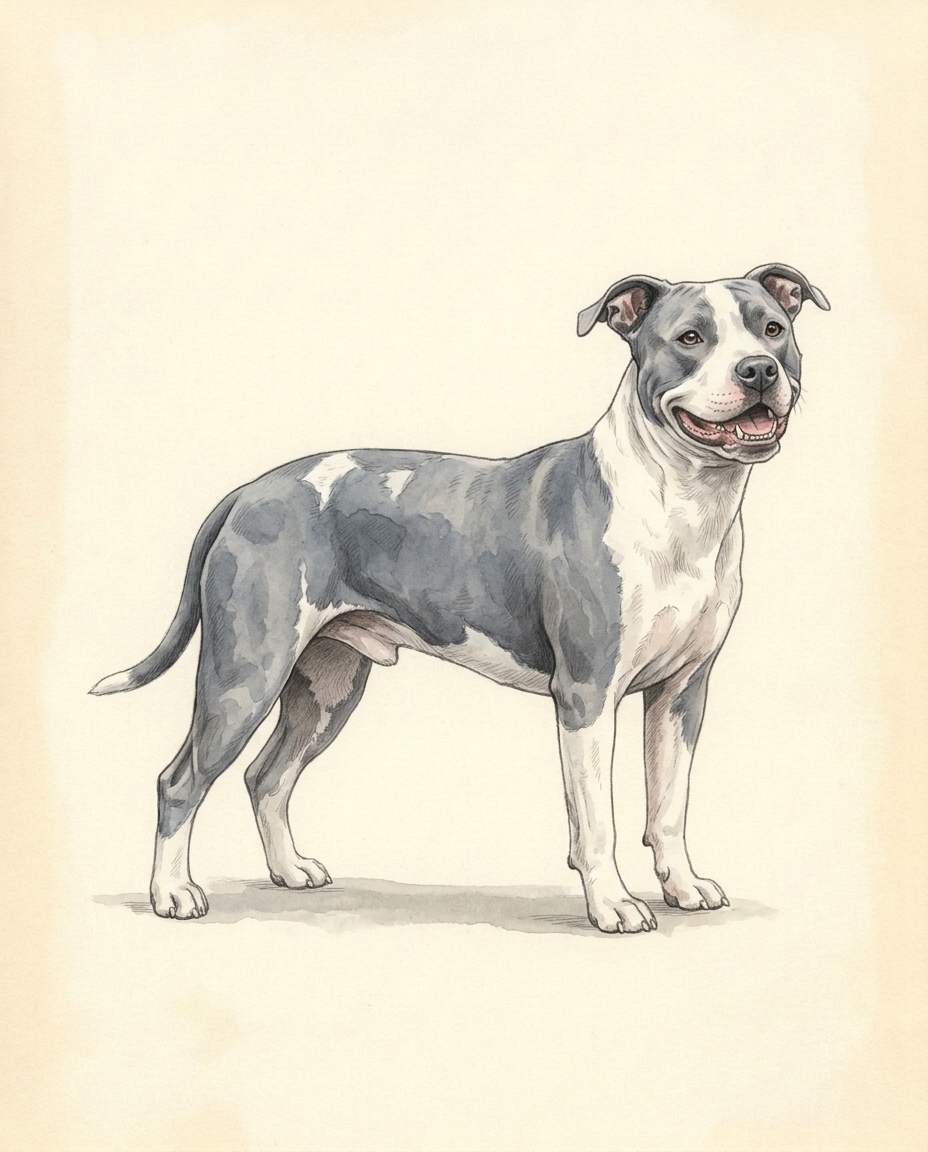
How it grows: Pit bull–type and terrier mixesIllustration of the same animal as a newborn, at 8 weeks and at 5 months.
Newborn (2 weeks)8 weeks5 months

Growth stages, not to scale.

Illustration of the adult dog standing in side profile.

Adult size: varies a lot

“Pit bull” is a type, not a single breed, so there's no official height. Adult size varies a lot. Ask the shelter about this dog's size, energy and how it does with kids.
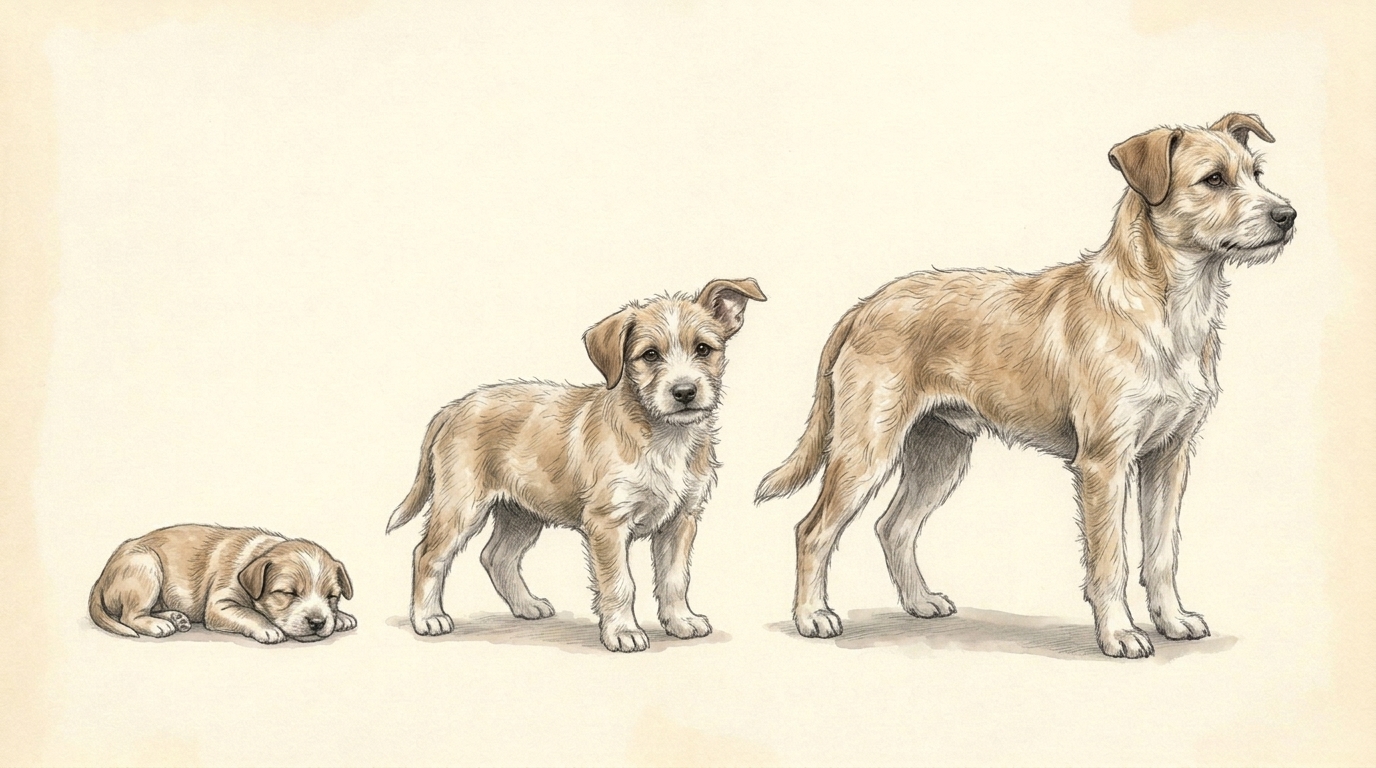
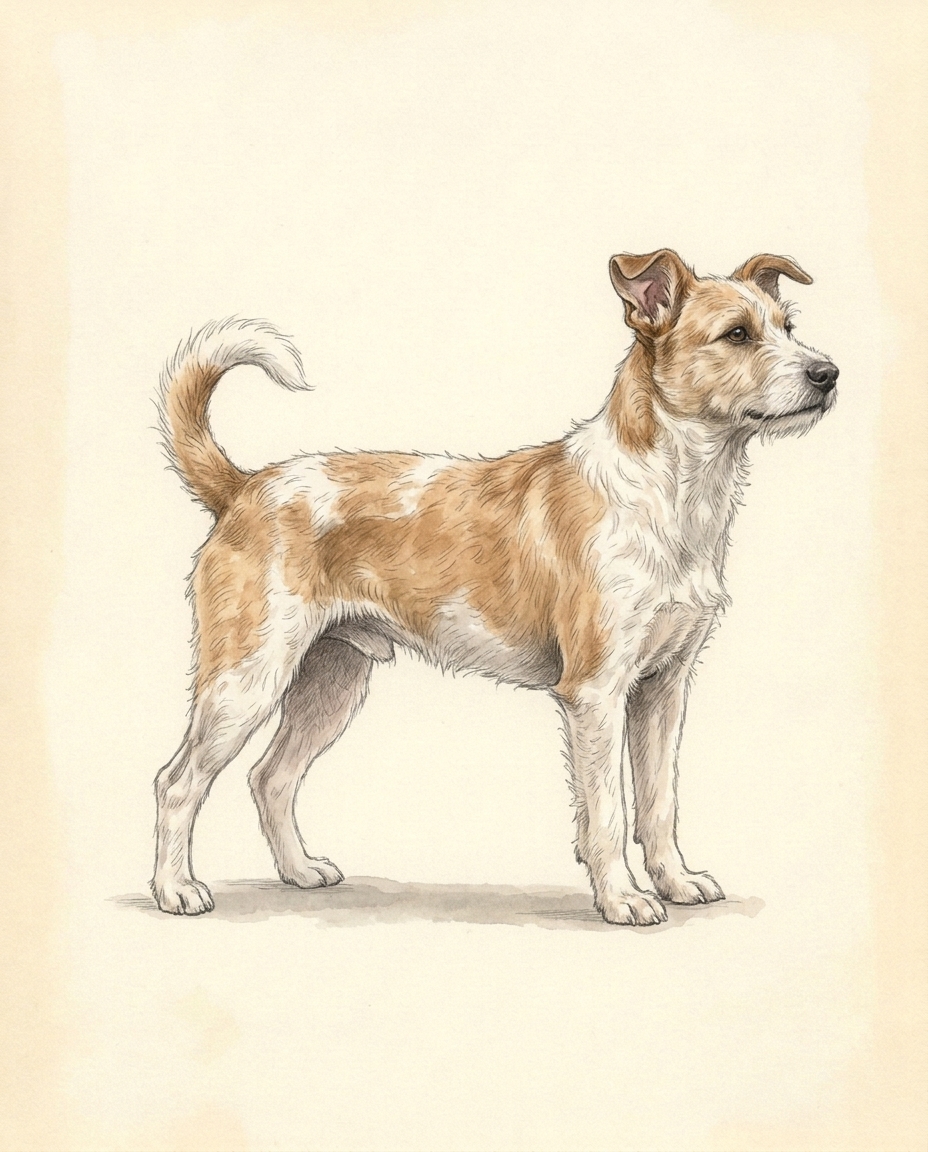
How it grows: Mixed-breed shelter dogIllustration of the same animal as a newborn, at 8 weeks and at 5 months.
Newborn (2 weeks)8 weeks5 months

Growth stages, not to scale.

Illustration of the adult dog standing in side profile.

Adult size: varies a lot

Every mixed-breed dog is different, so there's no standard size. For a puppy, the shelter or a vet can estimate adult size from paw size, weight and known parents.

PAPITO+ · Your family time concierge

Family time includes the pet.

Papito works pet-friendly ideas into your Sunday picks, and PAPITO+ reminders keep track of things like grooming.

  • Reminders that rememberBirthdays, sign-ups and the little things that slip.
  • Sunday picksThree ideas every Sunday, matched to your free time, the weather and your kids.
  • Rainy-day heads-upThree indoor ideas the evening before rain hits your free time.
Meet PAPITO+ →Founding Family rate: $14.99 a month, locked in for 2 years. First 30 days free.
Want to be a Founding Father with a limited-run lifetime membership?Become a Founding Father